
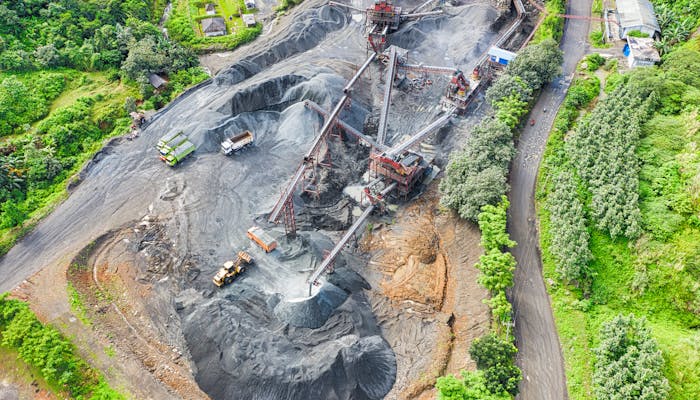
As the year draws to a close, CA Mining prepares for its annual office closure next month on the 18th of December—a time for reflection, rest, and renewal while we say goodbye to 2024 and welcome 2025 with a refreshed and productive approach. This pause not only marks the end of a productive year but also provides a moment to consider the parallels between closing out projects and closing down operations in the mining industry. One such process, mine closure and rehabilitation, is an essential part of the mining lifecycle.
Much like our own need to prepare for a fresh start, mining companies must carefully plan for the future when their operations come to an end. Done responsibly, mine closure and rehabilitation can transform former mining sites into thriving ecosystems or functional spaces for local communities. At CA Mining, we understand the significance of this process and the crucial talent required for the mine closure job to be carried out safely and effectively.
In this blog, we explore the importance of mine closure and rehabilitation, the challenges the sector faces, and the critical role responsible leadership and skilled professionals play in ensuring a sustainable legacy.
Mine Closure: An Integral Part of the
Mining Lifecycle
Mining projects have a finite lifespan, and the conclusion of operations requires a structured approach to closure. Effective mine closure ensures that the environmental, social, and economic impacts of mining activities are minimized and mitigated. This involves a comprehensive strategy to rehabilitate the land, manage waste, and ensure the safety and well-being of nearby communities.
However, mine closure is far more than just decommissioning equipment or sealing mine shafts. It is about restoring the land to a state that aligns with environmental standards, local needs, and sustainable development goals. For many mining companies, the closure phase is as significant as the extraction phase, requiring advanced planning, collaboration, and a commitment to ethical practices.
The Importance of Responsible
Rehabilitation
Mine rehabilitation goes hand in hand with closure, focusing on restoring ecosystems, addressing environmental damage, and repurposing land for new uses. This can include transforming a mining site into farmland, creating recreational areas, or rewilding spaces to reintroduce flora and fauna.
Responsible rehabilitation is not only about meeting legal requirements but also about leaving a positive legacy. Communities affected by mining activities depend on these initiatives to ensure their environment is livable and their livelihoods sustainable after mining ceases. For companies, successful rehabilitation can also enhance their reputation, foster goodwill, and open doors for future opportunities.
Challenges in Mine Closure and
Rehabilitation
Despite its importance, mine closure and rehabilitation are not without challenges:
- Financial Costs
Rehabilitation is expensive, and underfunded closure plans can lead to abandoned sites, environmental damage, and community hardships. Adequate financial planning and the allocation of closure bonds are critical to prevent such outcomes. - Environmental Restoration
Mining often disrupts ecosystems in profound ways. Restoring land, soil, and biodiversity to their pre-mining state—or improving them—requires advanced techniques, expert knowledge, and years of dedicated effort. - Community Engagement
The impact of mine closures on local communities can be significant, particularly in regions where mining serves as an economic lifeline. Engaging with communities to understand their needs and involving them in post-mining plans is essential. - Regulatory Compliance
Navigating complex legal and environmental frameworks can be daunting. Ensuring compliance with local and international regulations demands a team of skilled professionals.
Talent: The Key to Successful Mine
Closure
At CA Mining, we know that the right talent makes all the difference. From environmental specialists to community engagement experts and project managers, professionals skilled in mine closure and rehabilitation are essential to crafting sustainable outcomes.
1. Environmental Specialists
These experts are crucial for designing and implementing restoration programs. They assess ecological impacts, develop rehabilitation plans, and monitor progress to ensure compliance with environmental standards.
2. Community Liaison Officers
Engaging with communities is vital to ensure that closure plans address social and economic concerns. Liaison officers help build trust and foster partnerships between mining companies and local stakeholders.
3. Project Managers
Mine closure is a complex, multi-phase process that requires strategic oversight. Skilled project managers ensure that timelines, budgets, and objectives are met while maintaining transparency and accountability.
4. Engineers and Technical Specialists
The technical aspects of mine closure, such as decommissioning infrastructure, securing tailings, and remediating land, rely on experienced engineers and specialists who can mitigate risks effectively.
The Future of Mine Closure
The mining industry is evolving, and the concept of mine closure is increasingly tied to sustainability. Innovative approaches, such as adopting circular economy principles, reimagining mining waste as a resource, and incorporating renewable energy in rehabilitation projects, are shaping the future.
For example:
- Repurposing Mining Sites: Some companies have transformed former mines into renewable energy hubs, like solar farms or wind power stations.
- Biodiversity Projects: Rehabilitation programs that focus on creating protected areas for endangered species are gaining traction.
- Community Development: In regions with active community engagement, former mining sites have been turned into agricultural hubs or cultural heritage sites.
By adopting these forward-thinking strategies, mining companies can align their closure plans with broader global goals, such as the UN’s Sustainable Development Goals (SDGs).
Reflecting on 2024: A Year of Growth and
Responsibility
As we at CA Mining prepare to close our offices for the year, we take pride in our role in connecting the mining industry with the talent needed to achieve its goals responsibly. From placing environmental specialists to recruiting strategic leaders, we have contributed to shaping the future of mining, ensuring it remains ethical, sustainable, and aligned with global best practices.
This year, we have witnessed an increased focus on mine closure and rehabilitation among our clients. Companies are seeking candidates with a strong commitment to sustainability, and we have been privileged to assist them in finding professionals who align with their vision.
A Commitment to a Better Tomorrow
Much like mine closure requires careful planning and commitment, the end of the year is an opportunity for all of us to reflect on the past and plan for a brighter future. At CA Mining, we remain committed to supporting the mining industry in its journey toward sustainability, ensuring that every mine closure is a success story that benefits the environment, communities, and economies alike.
As we wrap up 2024, we wish our clients, candidates, and colleagues a restorative holiday season. May your new beginnings in 2025 be as intentional and promising as the future of responsible mine closure and rehabilitation.
Let’s Work Together in 2025
If your company is gearing up for mine closure projects or seeking expertise in sustainable mining practices, CA Mining is here to connect you with the professionals who can make it happen.
Contact us to start planning for a future rooted in responsibility and care.
